
The Fishing Touch, Published in the January-February issue of the PAA’s official on-line magazine, “Online Fishermen”
Feb 15, 2010 I Feel The Bite, Fishing Gear and Techniques, Fishing Tips, Media Reports. By Lawrence Euteneier
Captain – Blind Fishing Boat .Com
http://www.onlineoutdoorsmen.com/current-issues/online-fishermen.html
Without doubt, fishing is one of those rare sports that depends more on the sense of touch than sight. Sure, one can find examples where sight fishing dominates, (fishing flats, dry fly fishing), but they are far out-numbered by fishing techniques where fish are hooked before they are seen. While sonar units are getting closer to turning fishing into hunting, in the end, the fisher depends on touch.
Learning to respond correctly to what’s taking place at the end of your line by making sense of the different touch sensations generally comes with hard-earned experience. Becoming more knowledgeable and practiced at using touch to sense what can’t be seen will however, catch you more fish and assist you in getting more out of the new ultra-sensitive rods and lines now available.
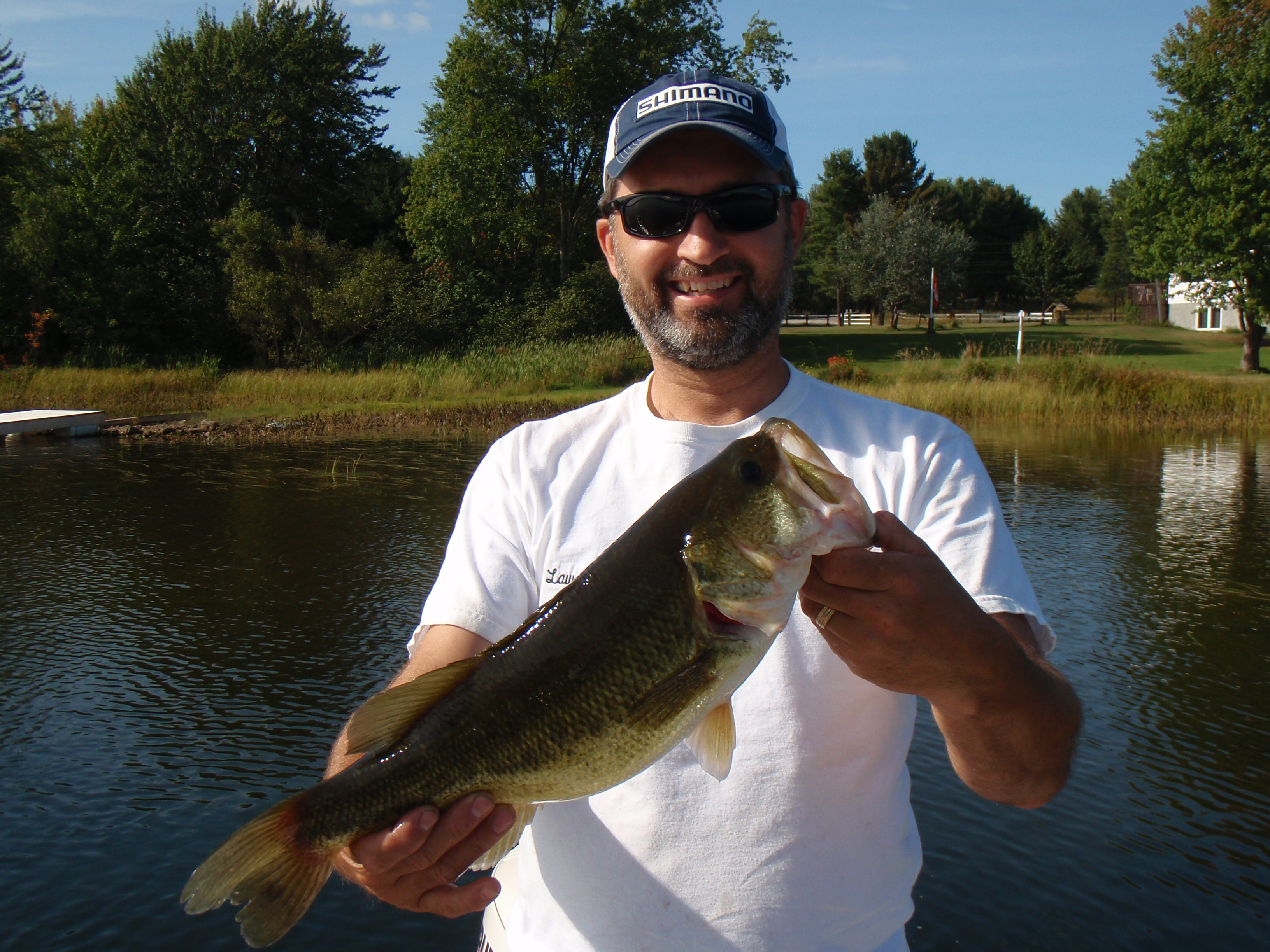
The ability of fishing tackle to transmit changes in the movement of the bait to the hand is improving, but these sensations can still often be of such a subtle nature that they register in the fisher’s sub-conscious only. Maintaining visual and tactile focus on the line and rod is therefore key, as the opportunity to reverse the role of the fish from predator to pray is incredibly brief. Missing or miss-reading those crucial tell-tale signs, applying the wrong response, or Slips in concentration can all turn a successful day into another one of those, “the one that got away”, stories.

Learning to distinguish different sensations through touch can be mastered by anyone. Many people believe wrongly that those without sight have enhanced hearing and other senses. NO such physiological advantage exists. What is true however, is that people without sight are more dependent on their other senses, which in turn makes them more proficient at using them. Just as with any skill, practice makes perfect.
People without sight do however, have an advantage over the sighted in the focus department. Because extraneous or miss-leading visual information is filtered out, focus is on what they touch.
when I fish frogs, as someone without sight I not only benefit from their snag proof qualities, I’m able to ignore the visual image of the explosive strike. I hear it, but because I can never be certain that what I’m hearing relates to my frog, I hold off on setting the hook until I can feel my line begin to tighten. I begin by dropping my rod tip and reeling in slack. It’s at this point that the detection of tension on the line indicates a fish is present. I’m then well positioned to haul straight back on the rod to set the hook and begin the tug-of-war. What follows immediately is a true stand-off. I don’t give line, but I’m also not pannnicking to begin reeling line in either as it takes time to reverse the fish’s direction from pointed down to heading back up. Once it’s turned I can then begin to reel quickly to literally surf the fish in over top of the weeds. It’s not until I stop reeling and let the fish have a chance to get its head pointed back down to burn up some energy near the boat that I get a more accurate sense of its size. The next time your fishing frogs, try it with your eyes closed.
Many newer rods now possess quite flexable tips to assist fishers to visually clue-in to what’s taking place at the end of their line. This flexible tip may work visually, but many old-timers are having their rods shortened by six inches as the flexible tips also absorb sensation resulting in tactile information to the hand being muddied or deadened altogether. When you have become familiar with discerning tactile information through your rod, it’s hard to give it up in exchange for a visual experience.
experiencial visual for another .
Because of the thick mits ice fishers ware and the suttle nature of winter bites in general, ice fishing rods have championed the soft tip. However, the next time your warm inside your shelter, try balancing the rod on your middle finger and raising the thumb and palm of your hand just slightly above the rod’s handle. You’ll discover in time two distinct sensations. Pressure at the base of your palm as a fish tips your rod tip downward, or pressure on your thumb pad as fish cause the tip to rise slightly as they swim up with the bait. These suttle movements in your rod can be difficult to detect visually as your perspective from directly above doesn’t allow you to note movement by marking the tips position against the background. This method works even better with ice rods that have their upper tip section removed. This technique will also catch you more fish as the rods ability to teater up and down on your finger virtually eliminates the fish experiencing resistence when mouthing your bait.


Author: | Posted on 15. February 2010 at 17:53 pm | Filed in Feel The Bite, Fishing Gear and Techniques, Fishing Tips, Media Reports | 2 Comments


Blind Fishing Boat » The Fishing Touch,… Says:
[…] Link: Blind Fishing Boat » The Fishing Touch,… […]
Feb 15, 2010, 12:17 pmBlind Fishing Boat » The Fishing Touch, Published in the January … | Fishing Videos Says:
[…] See the original post here: Blind Fishing Boat » The Fishing Touch, Published in the January … […]
Feb 15, 2010, 1:17 pm